
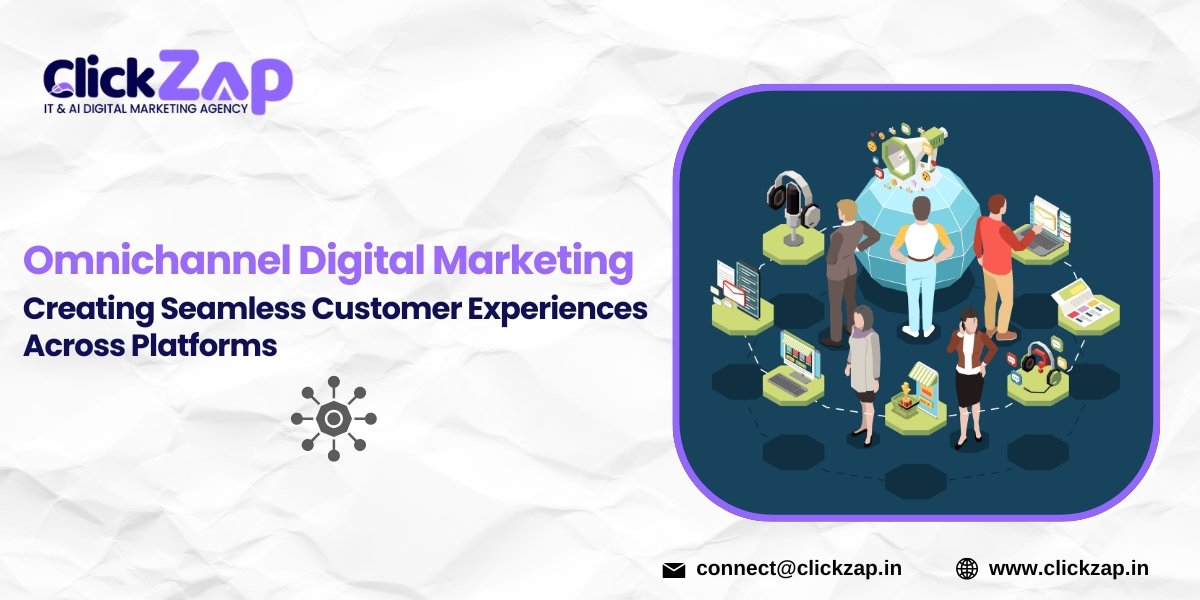
In today’s hyper-connected world, customers don’t just interact with brands-they experience them across multiple platforms, devices, and touchpoints. From browsing a product on mobile to completing a purchase on a laptop or engaging with a brand via social media, the modern customer journey is anything but linear.
This is where Omnichannel Digital Marketing steps in as a game-changer. It’s not just about being present everywhere-it’s about creating a consistent, unified, and personalized experience wherever your customers are.
In this comprehensive guide, we’ll explore how businesses can leverage Omnichannel Digital Marketing to build meaningful relationships, enhance engagement, and drive conversions-all while delivering a truly seamless customer experience.
What is Omnichannel Digital Marketing?
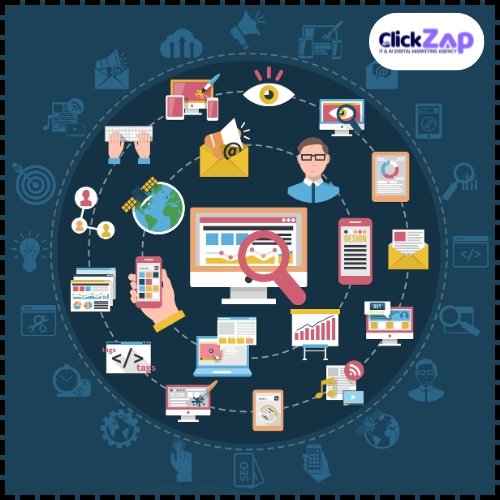
Omnichannel Digital Marketing is a strategic approach that integrates multiple marketing channels-both online and offline-to deliver a unified and consistent brand experience. Unlike traditional cross-channel marketing, which often operates in silos, omnichannel focuses on synchronization and continuity.
Whether your customer interacts with your brand through email, social media, website, or even a physical store, the experience should feel connected and cohesive.
At its core, Omnichannel Digital Marketing revolves around understanding the customer journey across platforms and ensuring every touchpoint contributes to a smooth, engaging experience.
Why Omnichannel Digital Marketing Matters in 2025
Consumers today expect convenience, personalization, and consistency. A fragmented experience can lead to confusion, frustration, and ultimately lost business.
Here’s why Omnichannel Digital Marketing is more critical than ever:
1. Enhanced Customer Expectations
Customers demand a seamless customer experience regardless of where they interact with your brand. They expect brands to remember their preferences and provide relevant interactions.
2. Increased Engagement
With multi-channel customer engagement, businesses can connect with audiences at different stages of the buying journey.
3. Higher Conversion Rates
A well-implemented omnichannel marketing strategy ensures customers receive the right message at the right time, boosting conversions.
4. Improved Brand Loyalty
Consistency across channels builds trust and encourages repeat interactions, leading to long-term loyalty.
Omnichannel Digital Marketing: Key Components of Success
1. Unified Customer Data
Data is the backbone of any successful data-driven omnichannel marketing strategy. Collecting and integrating customer data from various sources allows businesses to create personalized experiences.
2. Integrated Marketing Communication
Consistency in messaging is crucial. Integrated marketing communication ensures that your brand voice, visuals, and messaging remain aligned across all channels.
3. Personalization at Scale
A personalized marketing experience is no longer optional-it’s expected. Customers want brands to understand their preferences and tailor content accordingly.
4. Technology and Automation
Using advanced marketing automation tools, businesses can streamline processes, trigger personalized campaigns, and maintain consistency across platforms.
Building an Effective Omnichannel Marketing Strategy
Creating a successful omnichannel marketing strategy requires thoughtful planning and execution. Here’s how to get started:
Step 1: Understand Your Audience
Map out your audience’s behavior, preferences, and expectations. Identify key touchpoints in the customer journey across platforms.
Step 2: Integrate Your Channels
Break down silos between departments. Ensure your website, social media, email, and offline channels are interconnected.
Step 3: Leverage Data Analytics
Use insights from data-driven omnichannel marketing to optimize campaigns and improve targeting.
Step 4: Deliver Consistent Messaging
Maintain integrated marketing communication across all touchpoints to ensure a cohesive brand experience.
Step 5: Focus on Experience
Prioritize customer experience optimization by removing friction and making interactions intuitive.
Omnichannel Digital Marketing in Action: Real-Life Scenario
Imagine a customer browsing a product on your website. Later, they see a retargeted ad on social media. They receive a personalized email with a discount and finally make a purchase through your mobile app.
This is the power of Omnichannel Digital Marketing-creating a fluid, interconnected experience that guides the customer seamlessly through the buying journey.
Creating a Seamless Customer Experience Across Platforms
A seamless customer experience is the ultimate goal of omnichannel marketing. Here’s how to achieve it:
1. Consistent Branding
Ensure visual and messaging consistency across all platforms.
2. Real-Time Interaction
Respond to customer queries instantly using chatbots and support tools.
3. Personalized Content
Deliver a personalized marketing experience based on customer behavior and preferences.
4. Smooth Transitions
Allow customers to switch between devices without losing progress.
Role of Marketing Automation Tools
Modern marketing automation tools play a vital role in executing omnichannel strategies. They help businesses:
- Automate email campaigns
- Track user behavior
- Personalize messaging
- Manage multiple channels efficiently
By leveraging these tools, companies can enhance multi-channel customer engagement while saving time and resources.
Customer Experience Optimization: The Heart of Omnichannel Success
At the center of Omnichannel Digital Marketing lies customer experience optimization. It’s about continuously improving every interaction a customer has with your brand.
Key Techniques:
- Analyze customer feedback
- Optimize website performance
- Improve mobile responsiveness
- Simplify checkout processes
When done right, optimization leads to higher satisfaction and better business outcomes.
Challenges in Implementing Omnichannel Marketing
While the benefits are clear, implementing an omnichannel marketing strategy comes with its own set of challenges:
1. Data Silos
Disconnected systems can hinder data-driven omnichannel marketing efforts.
2. Technology Integration
Aligning different tools and platforms can be complex.
3. Consistency Issues
Maintaining integrated marketing communication across channels requires careful planning.
4. Resource Allocation
Managing multiple channels demands time, effort, and expertise.
How ClickZap IT Helps You Master Omnichannel Digital Marketing
At ClickZap IT, we understand that every business is unique. That’s why we design tailored Omnichannel Digital Marketing strategies that align with your goals and audience.
Our Approach:
- Deep audience analysis for better customer journey across platforms
- Advanced marketing automation tools for efficiency
- Strategic planning for cross-channel marketing
- Continuous customer experience optimization
We don’t just help you reach your audience-we help you connect with them meaningfully.
Future Trends in Omnichannel Marketing
The future of Omnichannel Digital Marketing is driven by innovation and technology. Here are some trends to watch:
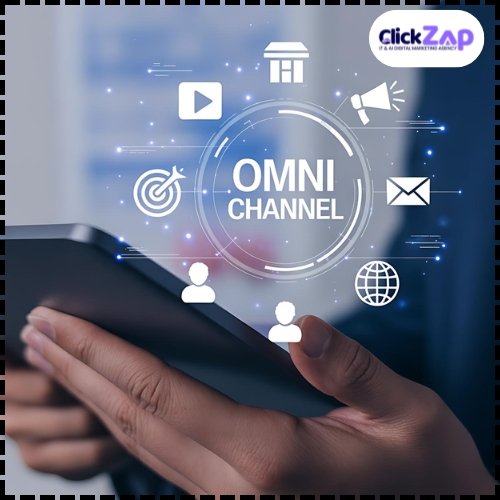
1. AI-Powered Personalization
Artificial intelligence will enhance personalized marketing experience by analyzing vast amounts of data.
2. Voice and Visual Search
New search methods will reshape cross-channel marketing strategies.
3. Hyper-Automation
Advanced marketing automation tools will streamline operations further.
4. Real-Time Data Utilization
Faster insights will improve data-driven omnichannel marketing decisions.
Best Practices for Omnichannel Success
To excel in Omnichannel Digital Marketing, keep these best practices in mind:
- Focus on the customer, not the channel
- Maintain consistent branding and messaging
- Use data to drive decisions
- Invest in the right technology
- Continuously optimize the experience
Conclusion
In a world where customers interact with brands across multiple touchpoints, delivering a unified experience is no longer optional-it’s essential. Omnichannel Digital Marketing empowers businesses to create meaningful, consistent, and personalized interactions that resonate with modern consumers.
By adopting a well-structured omnichannel marketing strategy, leveraging marketing automation tools, and focusing on customer experience optimization, businesses can build stronger relationships and achieve sustainable growth.
With the expertise of ClickZap IT, you can transform your marketing approach and deliver experiences that truly stand out in today’s competitive landscape.
Also Read: Why Data-Driven Marketing Delivers Better Results – ClickZap IT
FAQs
1. What is Omnichannel Digital Marketing?
A: Omnichannel Digital Marketing is a strategy that integrates multiple channels to provide a unified and consistent customer experience across platforms.
2. How is omnichannel different from multi-channel marketing?
A: While multi-channel customer engagement focuses on using multiple platforms, omnichannel ensures those platforms are interconnected and consistent.
3. Why is a seamless customer experience important?
A: A seamless customer experience improves satisfaction, builds trust, and increases conversion rates.
4. What tools are used in omnichannel marketing?
A: Businesses use marketing automation tools, CRM systems, analytics platforms, and AI-based solutions to manage campaigns effectively.
5. How does personalization impact omnichannel marketing?
A: A personalized marketing experience enhances engagement by delivering relevant content based on user behavior.
6. What are the biggest challenges in omnichannel marketing?
A: Common challenges include data silos, integration issues, and maintaining integrated marketing communication.
7. How can businesses optimize customer experience?
A: Through continuous customer experience optimization, businesses can improve usability, responsiveness, and overall satisfaction.
Follow us on:
📘 Facebook || 📸 Instagram || 💼 LinkedIn || ✖️ X-Twitter || 📌 Pinterest
0 Comments