

In today’s competitive online world, businesses rely heavily on digital advertising platforms to reach their target audience. Two of the most powerful platforms are Google Ads and Facebook Ads. If you are new to online marketing, understanding the difference between Google Ads and Facebook Ads is essential to choosing the right platform for your business.
Both platforms dominate the online advertising strategy used by businesses around the world, but they work in very different ways. With the right strategy and expert guidance from digital marketing professionals like Clickzap IT, businesses can effectively use these platforms to attract the right audience, generate leads, and increase sales.
This guide will explain the difference between Google Ads and Facebook Ads, their benefits, costs, and which platform works best for different marketing goals. If you want to learn how businesses use these digital advertising platforms effectively, you can also explore expert marketing insights at ClickZap IT
What Are Google Ads?
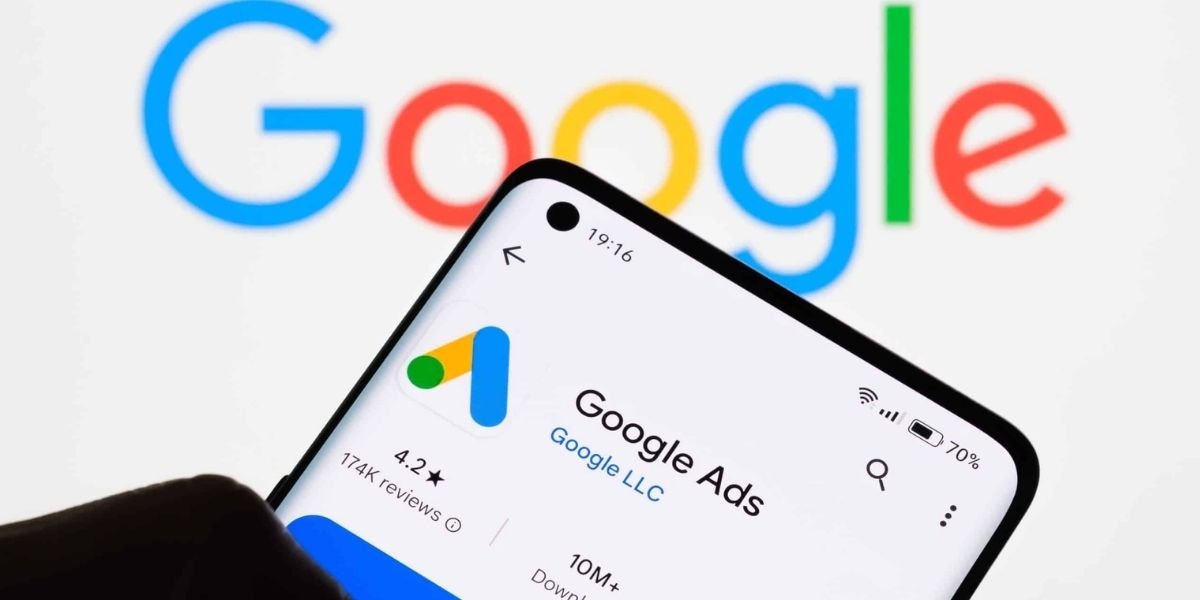
Google Ads is one of the most powerful search engine advertising platforms used by businesses to promote their products and services online. It allows advertisers to display ads across Google’s large network, including Google Search results, YouTube, partner websites, and mobile apps.
When someone searches for a product or service on Google, businesses can show their ads based on specific keywords. This means Google Ads targets users who already have high purchase intent, making it an effective tool for driving traffic, leads, and sales.
For example, if a user searches for “best running shoes”, businesses selling running shoes can place their ads at the top of the search results. This increases the chances that the user will click the ad and visit the website. Because users are actively searching for information or products, Google Ads often produces faster results compared to many other digital advertising platforms.
This keyword-based targeting system is a major factor in understanding the difference between Google Ads and Facebook Ads, since Google focuses on search intent while Facebook focuses on audience interests.
Key Features of Google Ads
1. Keyword-Based Targeting
Google Ads works primarily through keywords. Advertisers choose keywords that are related to their products or services. When users search using those keywords, the ads may appear in the search results. This allows businesses to reach people who are actively looking for what they offer.
For example, a digital marketing agency might target keywords like “digital marketing services” or “SEO agency near me” to attract potential clients.
2. Ads Appear in Google Search Results
One of the biggest advantages of Google Ads is that ads appear directly on Google’s search engine results page (SERP). These ads are usually displayed at the top or bottom of the page and are labeled as “Sponsored.”
Since Google is the world’s most widely used search engine, businesses can reach millions of users who are searching for products, services, or information every day.
3. Strong for Purchase-Intent Traffic
Google Ads is especially effective for capturing high purchase-intent traffic. This means users are already interested in buying a product or service and are searching for solutions.
For instance, someone searching for “buy laptop online” or “best dentist near me” is likely ready to make a decision soon. Advertising to such users increases the chances of generating quick sales or leads.
4. Works Well for Search Engine Advertising
Google Ads is the most widely used platform for search engine advertising. Businesses can run different types of campaigns such as:
- Search Ads (text ads on Google search results)
- Display Ads (banner ads on websites)
- Shopping Ads (product listings with images and prices)
- Video Ads (ads on YouTube)
- App Promotion Ads
These ad formats allow businesses to reach audiences across multiple online channels.
5. Ideal for Immediate Conversions
Because Google Ads targets users who are actively searching, it often leads to faster conversions compared to many other advertising platforms.
Businesses that want quick leads, phone calls, or direct sales often rely on Google Ads as part of their online advertising strategy. This makes it especially valuable for service providers, local businesses, and e-commerce stores.
What Are Facebook Ads?
Facebook Ads is a powerful social media advertising platform that allows businesses to promote their products and services across Facebook’s ecosystem. This includes Facebook, Instagram, Messenger, and the Audience Network. With billions of active users on these platforms, Facebook Ads provides businesses with a massive opportunity to reach potential customers.
Unlike search engine advertising, which targets users based on what they search for, Facebook Ads focuses on who the users are. It uses detailed audience data such as interests, demographics, behaviors, and online activities to show ads to the right people. Because of this, Facebook Ads is a highly effective tool in paid social media marketing.
For example, a fitness brand can target people who are interested in fitness, gym workouts, healthy lifestyles, or weight loss. Even if those users are not actively searching for fitness products, Facebook can still display relevant ads to them based on their interests and behavior.
This audience-based targeting is one of the major factors that explains the difference between Google Ads and Facebook Ads.
Key Features of Facebook Ads
1. Interest and Behavior Targeting
One of the most powerful features of Facebook Ads is its advanced targeting system. Businesses can target users based on their interests, online behavior, hobbies, demographics, and even purchasing habits.
For example, a travel company can show ads specifically to people who frequently travel, follow travel pages, or search for vacation destinations. This type of targeting helps businesses reach highly relevant audiences and improve the effectiveness of their online advertising strategy.
2. Visual Image and Video Ads
Facebook Ads are highly visual and engaging. Businesses can create ads using images, videos, carousels, slideshows, and story formats.
These visual formats help capture users’ attention while they are scrolling through their social media feeds. Compared to traditional search engine advertising, visual content allows brands to showcase products, demonstrate services, and create emotional connections with potential customers.
3. Ideal for Brand Awareness
Facebook Ads are extremely effective for building brand awareness. Since users spend a significant amount of time on social media platforms, businesses can repeatedly expose their brand to their target audience.
Through consistent advertising, businesses can increase brand recognition, build trust, and stay top-of-mind with potential customers. This makes Facebook Ads a powerful tool for businesses that want to grow their brand presence using social media advertising.
4. Powerful Paid Social Media Marketing Capabilities
Facebook Ads is one of the most advanced platforms for paid social media marketing. It offers a wide range of campaign objectives such as:
- Brand awareness
- Website traffic
- Engagement
- Lead generation
- App installs
- Video views
- Conversions
These campaign options allow businesses to design advertising campaigns that match their specific marketing goals.
5. Excellent for Audience Discovery
Another key advantage of Facebook Ads is its ability to help businesses discover new audiences. With tools like Lookalike Audiences, Facebook can find users who share similar characteristics with existing customers.
This helps businesses expand their reach and attract potential customers who are likely to be interested in their products or services. As a result, Facebook Ads plays an important role in building a strong online advertising strategy and reaching new markets.
Difference Between Google Ads and Facebook Ads
Platform Type
- Google Ads: A search engine advertising platform where ads appear on Google search results and partner websites.
- Facebook Ads: A social media advertising platform that shows ads on Facebook, Instagram, Messenger, and other social platforms.
Targeting Method
- Google Ads: Targets users based on keywords and search intent.
- Facebook Ads: Targets users based on interests, demographics, and behavior.
User Intent
- Google Ads: Reaches people who are actively searching for products or services.
- Facebook Ads: Reaches people who are browsing social media, even if they are not searching for a product
Ad Formats
- Google Ads: Supports text ads, display ads, shopping ads, and video ads.
- Facebook Ads: Focuses on image ads, video ads, carousel ads, and story ads.
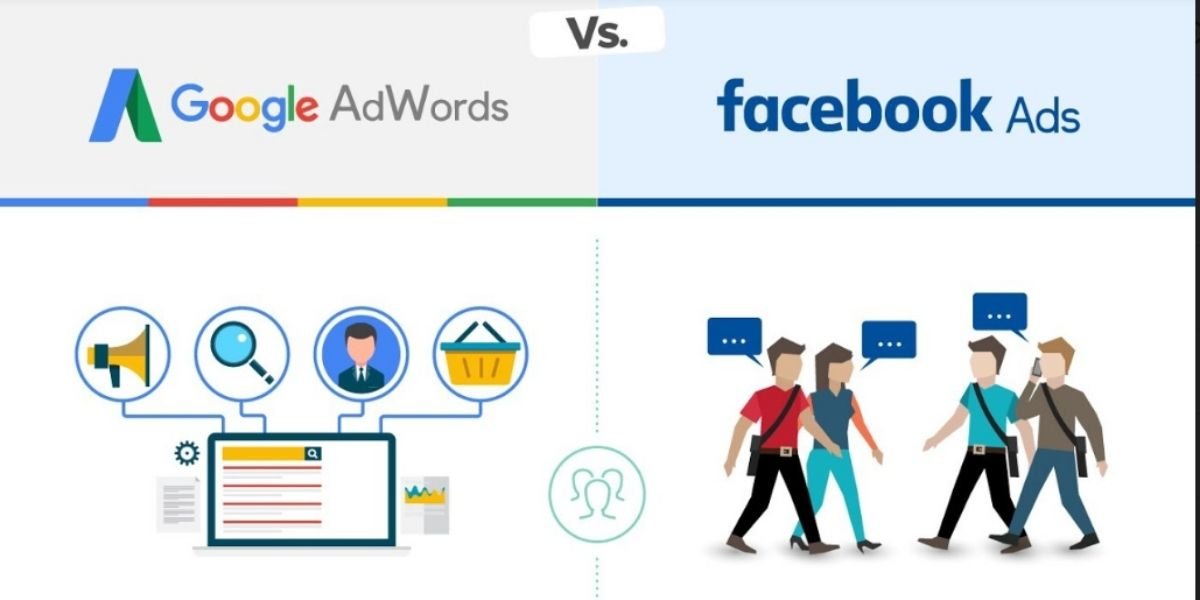
Google Ads vs Facebook Ads: Core Differences
Understanding the difference between Google Ads and Facebook Ads helps marketers choose the best platform based on their business goals.
| Feature | Google Ads | Facebook Ads |
| Platform Type | Search engine advertising | Social media advertising |
| Targeting Method | Keywords and search intent | Interests, demographics, behavior |
| User Intent | High (users are searching) | Lower (users are browsing) |
| Ad Format | Text, display, shopping, video | Image, carousel, video, stories |
| Best For | Sales and conversions | Brand awareness and engagement |
This google ads vs Facebook ads comparison shows that both platforms serve different purposes in a strong online advertising strategy.
Advertising Cost Comparison
One of the biggest concerns for beginners is advertising cost.
Google Ads Cost
- Average CPC: $1 – $5 or higher depending on industry
- Competitive keywords can be expensive
- Higher intent leads often justify higher cost
Facebook Ads Cost
- Average CPC: $0.50 – $2
- Cheaper impressions
- Lower competition compared to search ads
When evaluating Google Ads vs Facebook Ads cost comparison, Facebook Ads usually provide cheaper traffic, while Google Ads deliver more high-intent visitors.
Best Platform for Lead Generation
Many businesses want leads rather than direct sales. When analyzing Google Ads vs Facebook Ads for lead generation, both platforms perform well but in different ways.
Google Ads for Lead Generation
- Captures users actively searching for services
- High-quality leads
- Works well for service businesses
Facebook Ads for Lead Generation
- Built-in lead forms
- Great for collecting leads quickly
- Effective for targeting niche audiences
Choosing between the two depends on your online advertising strategy and industry.
Best Advertising Platform for Small Businesses
Small businesses often struggle with choosing the right platform.
Google Ads for Small Businesses
- Best for local services
- High purchase intent
- Ideal for businesses offering urgent services
Facebook Ads for Small Businesses
- Lower ad costs
- Strong audience targeting
- Better for brand building
When comparing Google Ads vs Facebook Ads for small business, many businesses actually benefit from using both platforms together.
Benefits of Each Advertising Platform
Understanding Google Ads vs Facebook Ads benefits helps businesses maximize their marketing results.
Benefits of Google Ads
- Captures search intent
- Faster conversions
- Highly measurable results
- Ideal for search engine advertising
Benefits of Facebook Ads
- Advanced audience targeting
- Strong visual storytelling
- Excellent for social media advertising
- Supports effective paid social media marketing
This shows another clear difference between Google Ads and Facebook Ads in terms of marketing goals.
When Should You Use Google Ads?
Use Google Ads when:
- People are actively searching for your product
- You want quick sales
- You rely on search engine advertising
- Your goal is direct conversions
Businesses focusing on high-intent customers often benefit more from Google Ads when considering the difference between Google Ads and Facebook Ads.
When Should You Use Facebook Ads?
Use Facebook Ads when:
- You want to build brand awareness
- You want to target specific audiences
- You rely on social media advertising
- You want to grow engagement and followers
Facebook Ads are a powerful tool for businesses focusing on paid social media marketing and long-term audience growth.
Google Ads vs Facebook Ads: Which Is Better?
Many beginners ask Google Ads vs Facebook Ads which is better. The answer depends on your business goals, target audience, and overall online advertising strategy. Both platforms are powerful digital advertising platforms, but they serve different purposes in digital marketing.
1. Goal: Sales and Conversions
If your primary goal is to generate immediate sales or conversions, Google Ads usually performs better. Since it is a search engine advertising platform, it targets users who are actively searching for specific products or services. This high search intent often leads to higher conversion rates.
2. Goal: Brand Awareness
If your objective is to increase brand visibility and introduce your business to new audiences, Facebook Ads can be more effective. As a social media advertising platform, it allows businesses to reach users who may not be actively searching but are likely to be interested based on their behavior and interests.
3. Audience Targeting
Facebook Ads provides advanced targeting options such as interests, demographics, lifestyle, and online behavior. This makes it a powerful tool for paid social media marketing and building a strong brand presence.
4. High-Intent Customer Reach
Google Ads is highly effective for reaching customers who already have a strong buying intent. When people search for specific keywords related to a product or service, businesses can show relevant ads at the right moment.
5. Best Strategy: Use Both Platforms
Instead of choosing only one platform, many successful businesses combine both Google Ads and Facebook Ads. Using both digital advertising platforms together creates a stronger online advertising strategy, helping businesses attract new audiences while also capturing high-intent buyers.
6. Choosing the Right Platform for Your Business
The best platform depends on your industry, budget, and marketing objectives. Businesses that understand the difference between Google Ads and Facebook Ads can use each platform strategically to maximize results.
Frequently Asked Questions
1. What is the main difference between Google Ads and Facebook Ads?
The main difference between Google Ads and Facebook Ads is how they target users. Google Ads uses search intent, while Facebook Ads uses interest and demographic targeting.
2. Which is cheaper: Google Ads or Facebook Ads?
In most industries, Facebook Ads have a lower cost per click. However, Google Ads often deliver higher conversion rates.
3. Are Google Ads better for lead generation?
When comparing Google Ads vs Facebook Ads for lead generation, Google Ads usually produce higher-quality leads because users are actively searching for services.
4. Which platform is better for small businesses?
Both platforms work well, but Google Ads vs Facebook Ads for small business depends on the marketing goal. Facebook Ads are cheaper, while Google Ads bring higher-intent traffic.
5. Should businesses use both Google Ads and Facebook Ads?
Yes. Combining both platforms creates a powerful online advertising strategy using multiple digital advertising platforms.
Conclusion
Understanding the difference between Google Ads and Facebook Ads is important for anyone starting in digital marketing. Google Ads focuses on search engine advertising by targeting users who are actively searching for products or services, while Facebook Ads excels in social media advertising by reaching audiences based on interests, behavior, and demographics.
When comparing google ads vs face book ads, both platforms play an important role in a strong online advertising strategy. Google Ads is ideal for high-intent traffic and quick conversions, while Facebook Ads is effective for brand awareness and paid social media marketing.
For the best results, many businesses use both digital advertising platforms together. With expert support from Click Zap IT, businesses can build effective campaigns and grow their online presence. Learn more at ClickZap IT
0 Comments