
In today’s digital world, businesses demand measurable results, and that’s where performance marketing strategies play a key role. These strategies focus on driving actions like clicks, leads, and conversions, ensuring every investment contributes to growth. By using effective performance marketing strategies, businesses can achieve better efficiency and higher returns.
In 2026, with the rise of AI and automation, even performance marketing for beginners can leverage advanced tools to track and optimize campaigns in real time. Agencies like ClickZap IT stand out by using expert performance marketing techniques, powerful performance marketing tools, and result-driven performance marketing campaigns to deliver success. Their approach includes modern digital advertising techniques, improving ROI in digital marketing, strong conversion rate optimization, effective paid advertising strategies, and smart lead generation strategies.
This guide will help you understand how to use performance marketing strategies to maximize ROI and grow your business.
Core Performance Marketing Strategies
To succeed in 2026, businesses must adopt proven performance marketing strategies that deliver measurable results.
- Paid Advertising Strategies
Paid ads are the backbone of performance marketing strategies.
Types of Paid Ads
- Search Ads
- Display Ads
- Social Media Ads
- Video Ads
Best Practices
- Use relevant keywords
- Optimize ad copy
- Test multiple creatives
- Monitor performance regularly
- Conversion Rate Optimization (CRO)
Conversion rate optimization is essential for improving campaign results.
Key Techniques
- Optimize landing pages
- Improve website speed
- Use compelling CTAs
- Add customer testimonials
3. Lead Generation Strategies
Effective lead generation strategies help businesses attract potential customers.
Methods
- Landing pages
- Email campaigns
- Free resources (eBooks, webinars)
4. Affiliate Marketing
Affiliate marketing is a performance-based model where partners earn commissions.
Benefits
- Low investment risk
- Expanded reach
- Pay only for results
5. Retargeting Campaigns
Key Benefits
- Re-engage lost visitors
- Increase conversions
- Improve ROI
Advanced Performance Marketing Strategies
To stay competitive in 2026, businesses must go beyond basic tactics and adopt advanced performance marketing strategies that focus on automation, personalization, and data-driven optimization. Below are key strategies explained in a clear, point-wise manner:
1. AI-Powered Campaign Optimization
- Use AI tools to analyze large volumes of customer data
- Automate bidding strategies for better cost efficiency
- Predict customer behavior and optimize targeting
- Improve ad performance through machine learning insights
- Reduce manual effort and increase campaign accuracy
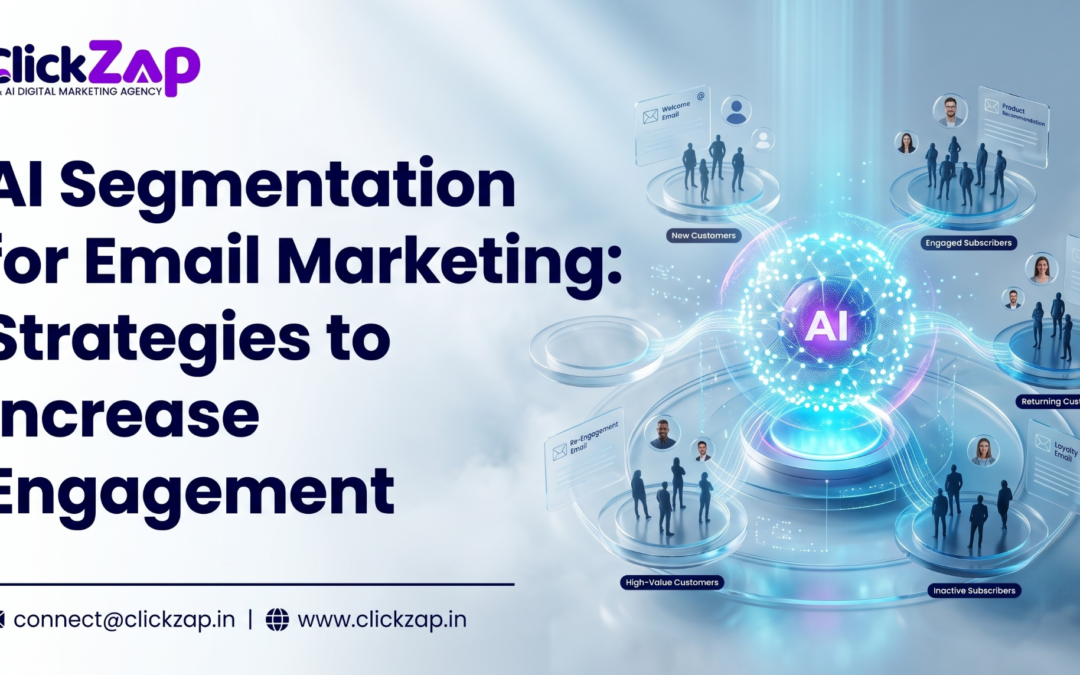
2. Advanced Audience Segmentation
- Segment audiences based on behavior, interests, and purchase history
- Create custom and lookalike audiences
- Use geo-targeting for location-specific campaigns
- Personalize messaging for each audience segment
- Continuously refine segments based on performance data
3. Conversion Rate Optimization (CRO) Techniques
- Design high-converting landing pages with clear structure
- Use A/B testing to compare different versions of pages and ads
- Improve website speed and mobile responsiveness
- Add trust signals like reviews and testimonials
- Optimize CTAs for better engagement
4. Multi-Channel and Omnichannel Marketing
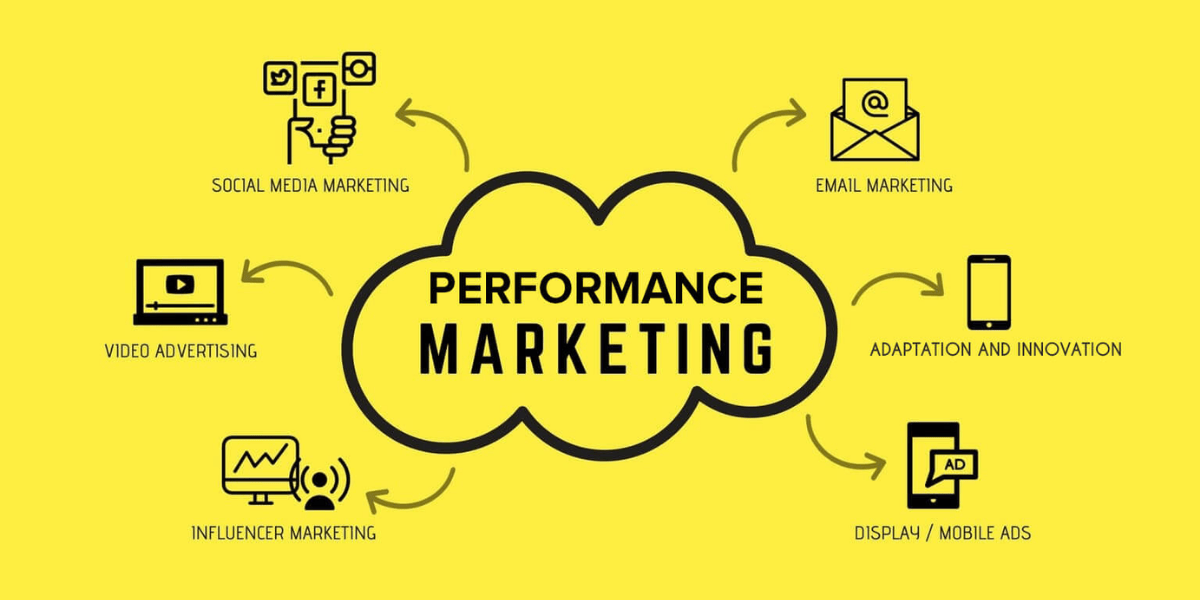
- Run campaigns across search engines, social media, and email
- Maintain consistent branding across all channels
- Track customer journeys across platforms
- Allocate budget based on channel performance
- Integrate online and offline marketing efforts
5. Retargeting and Remarketing Strategies
Re-engaging users increases conversion rates significantly.
- Target users who visited your website but didn’t convert
- Show personalized ads based on previous interactions
- Use dynamic retargeting for product-based businesses
- Offer discounts or incentives to encourage conversions
- Segment retargeting audiences for better results
6. Data-Driven Decision Making
Data is the backbone of successful performance marketing
- Track key performance metrics like CTR, CPA, and ROI
- Use analytics tools for deeper insights
- Identify high-performing campaigns and scale them
- Eliminate underperforming ads quickly
- Make decisions based on real-time data
7. Automation and Smart Bidding
- Use automated bidding strategies like Target CPA or ROAS
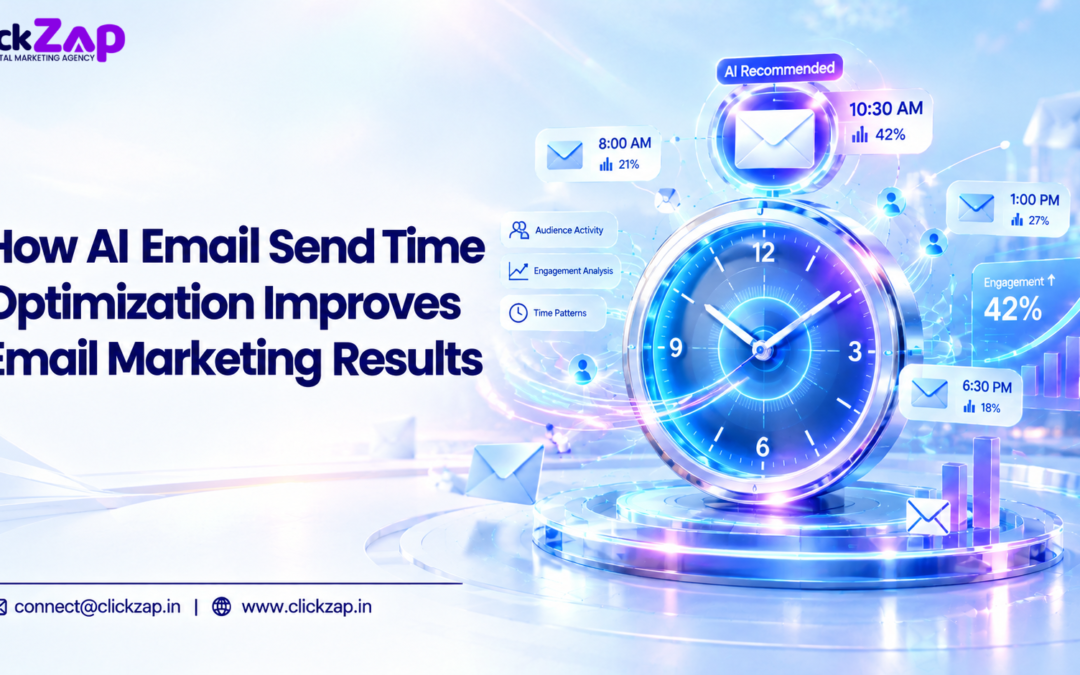
- Schedule ads for peak performance times
- Automate repetitive marketing tasks
- Optimize budget allocation automatically
- Improve campaign scalability
8. Personalization and Dynamic Content
Personalization boosts engagement and conversions.
- Deliver personalized ads based on user behavior
- Use dynamic content in emails and landing pages
- Customize offers based on customer preferences
- Improve user experience with tailored messaging
- Increase customer retention rates
9. Performance Marketing Tools Integration
- Integrate CRM tools for better customer management
- Use analytics platforms for performance tracking
- Automate workflows using marketing tools
- Monitor campaigns from a centralized dashboard
- Improve efficiency with real-time insights
10. Continuous Testing and Optimization
- Conduct regular A/B testing of ads and landing pages
- Experiment with different audience segments
- Test various creatives and messaging styles
- Optimize campaigns based on test results
- Focus on long-term performance improvement
What is Performance Marketing?
Performance marketing is a digital marketing approach where advertisers pay only when a specific action is completed. These actions may include:
- Website clicks
- Lead submissions
- Product purchases
- App installs
Key Characteristics
- Result-oriented approach
- Data-driven decision making
- Cost efficiency
- Real-time tracking and optimization
Unlike traditional marketing, performance marketing strategies ensure accountability and transparency, making them ideal for businesses focused on growth.
Why Performance Marketing is Essential in 2026
The digital marketing landscape in 2026 is highly competitive, data-driven, and constantly evolving. Businesses can no longer rely on guesswork or traditional marketing methods. Instead, they need performance marketing strategies that deliver measurable, scalable, and cost-effective results. Below is a detailed and easy-to-understand explanation of why performance marketing is essential today.
1. Measurable ROI (Return on Investment)
One of the biggest advantages of performance marketing strategies is the ability to measure results accurately.
Why It Matters:
- Every business wants to know where their money is going.
- Performance marketing ensures transparency by tracking every action.
Key Benefits:
- Track exact performance: You can measure clicks, leads, conversions, and sales in real time.
- Data-based decisions: Instead of guessing, you rely on actual numbers.
- Budget optimization: Allocate more budget to high-performing campaigns and reduce spending on low-performing ones.
Example:
If you run a paid ad campaign, you can clearly see:
- How many people clicked
- How many converted
- How much revenue was generated
This level of clarity makes performance marketing strategies highly effective for Return on investment focused businesses.
2. Targeted Advertising
Reaching the right audience is crucial for success in digital marketing.
Why It Matters:
- Showing ads to the wrong audience wastes money and reduces efficiency.
- Targeted campaigns improve engagement and conversions.
Key Benefits:
- Precise audience targeting: Based on age, gender, location, interests, and behavior.
- Personalized messaging: Ads can be customized for different audience segments.
- Higher conversion rates: When the right people see your ads, they are more likely to take action.
Example:
Instead of showing ads to everyone, you can target:
- People interested in your product
- Users who visited your website before
- Customers similar to your existing buyers
This is why performance marketing strategies are essential—they ensure your message reaches the right audience at the right time.
3. Cost Efficiency
Why It Matters:
- Marketing budgets are limited, especially for small and medium businesses.
- Spending without guaranteed results is risky.
Key Benefits:
- Pay only for results: You pay when a user clicks, signs up, or makes a purchase.
- Reduced waste: No unnecessary spending on uninterested audiences.
- Better budget control: You can set daily or monthly limits.
Example:
With traditional advertising, you pay upfront without knowing results.
With performance marketing, you pay only when someone takes action.
This makes performance marketing strategies one of the most cost-effective marketing approaches available today.
4. Scalability
Why It Matters:
- Businesses need to grow quickly and efficiently.
- Marketing efforts should expand along with business growth.
Key Benefits:
- Scale successful campaigns: Increase budget for campaigns that perform well.
- Expand across platforms: Run campaigns on Google, social media, and other channels.
- Reach larger audiences: Grow your customer base without major risks.
Example:
If a campaign generates good ROI:
- Increase budget
- Target new regions
- Launch similar campaigns
This flexibility makes performance marketing strategies ideal for both startups and large enterprises.
5. Data-Driven Insights
Data is the backbone of modern marketing, and performance marketing strategies rely heavily on it.
Why It Matters:
- Understanding customer behavior helps improve marketing effectiveness.
- Data allows continuous improvement.
Key Benefits:
- Understand customer journey: Track how users interact with your brand.
- Identify trends: Know what works and what doesn’t.
- Improve future campaigns: Use insights to create better strategies.
Example:
You can analyze:
- Which ads perform best
- Which audience converts more
- What time users engage the most
These insights help businesses make smarter decisions and improve overall performance.

Performance Marketing for Beginners
If you’re new to digital marketing, understanding performance marketing for beginners is the first step.
Step-by-Step Guide
- Set Clear Objectives
- Increase website traffic
- Generate leads
- Boost sales
- Identify Your Target Audience
- Age, location, interests
- Online behavior
- Choose the Right Platforms
- Search engines
- Social media
- Affiliate networks
- Create Engaging Content
- Clear messaging
- Strong call-to-action
- Track and Optimize
- Monitor performance metrics
- Adjust campaigns regularly
Performance Marketing Techniques
Advanced performance marketing techniques help improve campaign effectiveness.
- Audience Segmentation
- Divide audience into specific groups
- Personalize marketing messages
- Data Analytics
- Analyze user behavior
- Optimize campaigns using insights
- AI and Automation
Applications
- Automated bidding
- Predictive analytics
- Chatbots
- Multi-Channel Marketing
Using multiple platforms increases visibility.
- Social media
- Search engines
- Email marketing
Performance Marketing Tools
Top Tools in 2026
- Google Ads
- Search and display advertising
- Meta Ads Manager
- Social media campaigns
- Google Analytics
- Track user behavior
- SEMrush
- Keyword research
- HubSpot
- Marketing automation
Benefits of Using Tools
- Real-time tracking
- Data analysis
- Campaign optimization
Building High-Performing Performance Marketing Campaigns
Creating successful performance marketing campaigns requires a structured approach.
Step-by-Step Process
- Define Campaign Goals
- Leads, sales, or traffic
- Select Target Audience
- Based on demographics and behavior
- Choose Platforms
- Google, Facebook, Instagram
- Create Ad Content
- Engaging visuals
- Clear messaging
- Launch Campaign
- Monitor initial performance
- Optimize Campaign
- Improve based on data
Digital Advertising Techniques
Modern digital advertising techniques are crucial for campaign success.
Examples
- Programmatic advertising
- Native ads
- Influencer marketing
Measuring ROI in Digital Marketing
Understanding ROI in digital marketing is critical.
ROI Formula
ROI = (Profit – Investment) / Investment × 100
Key Metrics
- CTR (Click Through Rate)
- CPC (Cost Per Click)
- CPA (Cost Per Acquisition)
- ROAS (Return on Ad Spend)
Tracking these metrics ensures effective performance marketing strategies.
Common Mistakes to Avoid
- Lack of data tracking
- Poor audience targeting
- Ignoring mobile optimization
- Weak ad creatives
- No testing
Future Trends in Performance Marketing (2026)
- AI-driven campaigns
- Voice search optimization
- Privacy-first marketing
- Hyper-personalization
Best Practices for Maximizing ROI
- Focus on data-driven decisions
- Continuously test campaigns
- Use automation tools
- Optimize landing pages
- Invest in quality creatives
Advanced Tips for Scaling Performance Marketing
- Increase budget gradually
- Expand to new platforms
- Retarget existing customers
- Use lookalike audiences
Conclusion
In 2026, businesses must adopt smart and scalable performance marketing strategies to stay competitive in the digital world. These strategies provide measurable results, better targeting, and higher returns on investment compared to traditional marketing methods.
From understanding performance marketing for beginners to implementing advanced performance marketing techniques, businesses can unlock significant growth opportunities. By using the right performance marketing tools and executing optimized performance marketing campaigns, companies can achieve consistent and scalable success.
ClickZap IT is one of the best AI-driven digital marketing agencies for implementing effective performance marketing strategies. With expertise in paid advertising strategies, conversion rate optimization, and lead generation strategies, ClickZap ensures businesses achieve maximum ROI.
FAQs
- What are performance marketing strategies?
Performance marketing strategies are result-driven marketing approaches where businesses pay only for specific actions like clicks or conversions.
- Is performance marketing suitable for beginners?
Yes, performance marketing for beginners is easy to start with proper guidance and tools.
- What are the best performance marketing tools?
Some of the best performance marketing tools include Google Ads, Meta Ads Manager, and Google Analytics.
- How can I improve ROI in performance marketing?
You can improve ROI in digital marketing by optimizing campaigns, targeting the right audience, and using conversion rate optimization techniques.
- What are performance marketing campaigns?
Performance marketing campaigns are structured marketing efforts designed to achieve measurable results like leads or sales.
If you want to grow your business and stay ahead in the competitive digital landscape, partnering with ClickZap IT can help you leverage the full power of performance marketing and achieve long-term success.
Follow us on:
📘 Facebook || 📸 Instagram || 💼 LinkedIn || ✖️ X-Twitter || 📌 Pinterest
0 Comments